Strategic Tourism Consultancy for Rural Properties
Tímea Pokol
3 min read
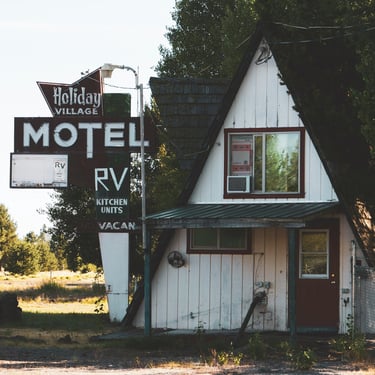
The owner pauses at the gate before entering the courtyard. The gravel crunches softly underfoot, louder than it ever is in summer, as if the land itself is more attentive now. The buildings stand ready, honest, unadorned. Smoke curls from a chimney. Inside, the ledger is open to the familiar pattern of strong months and thin ones. Nothing is failing. Nothing is urgent. And yet, something feels unresolved.
From the outside, the rural property is doing well. Guests come. They praise the silence, the authenticity, the sense of escape. Peak season delivers what it always has. The numbers confirm this. But beneath the surface success lies a dependence that no marketing brochure ever mentions. When the season changes, certainty drains away. The place does not collapse. It simply waits.
This is not a crisis — yet.
It is the moment when rural properties either inherit their future or begin to design it.
Strategic tourism consultancy for rural properties rarely arrives with alarms. It arrives with questions. Questions that feel almost impolite because they interrupt habits that have worked well enough. Why does the property feel alive only part of the year? Why does effort increase as margins thin? Why does success seem to require perfect weather, perfect timing, perfect guests?
In rural contexts, destination development is often mistaken for preservation alone. Protect the landscape. Maintain tradition. Avoid disruption. These instincts are valid, but incomplete. Development, when guided strategically, is not about expansion. It is about alignment. Aligning land, people, experience, and economics so the property can remain itself without depending on a single season to justify its existence.
Season extension in tourism is frequently proposed as the answer. Stay open longer. Add programs. Create reasons to visit outside peak months. But extension without interpretation turns rural properties into quieter versions of their busiest selves. The same offers, softened by discounts, waiting for demand that arrives reluctantly.
Strategic consultancy reframes the question. Instead of asking how to extend the season, it asks what the season is for. Winter is not a failed summer. Autumn is not a warm‑up act. Each carries a different emotional weight. Strategy helps rural properties articulate those differences and design experiences that belong to them, rather than apologizing for them.
Tourism revenue optimization enters this process not as arithmetic, but as architecture. Rural properties rarely win by volume. Their strength lies in depth: longer stays, repeat visits, relationships that form slowly. Consultancy at this level examines where revenue truly comes from and where it leaks away. It challenges the reflex to fill rooms at any cost and replaces it with the discipline to earn trust over time.
This is where experience portfolio development becomes central. Most rural properties already offer a rich range of experiences, but they are unevenly activated. Some shine briefly in summer. Others exist quietly, unnamed, during the rest of the year. Strategy does not invent experiences; it arranges them so each season carries its own meaning.
Low season management is often where this arrangement becomes visible. Without strategy, low season is managed defensively: reduced staff, reduced services, reduced ambition. With strategy, it becomes expressive. The property chooses what kind of guest it wants when the world slows down. It curates intimacy instead of scale. Presence instead of performance.
Consultancy helps owners see that not every guest is a low‑season guest, and that this is not a weakness. The guests who arrive in quiet months are often seeking something different: restoration, focus, belonging. Serving them well requires restraint, not stimulation. It requires confidence in silence.
Strategic consultancy also creates a different internal rhythm. Teams are no longer organized purely around peaks and troughs, but around continuity. Quiet months become periods of learning, refinement, and care. Systems are repaired. Relationships are strengthened. Knowledge accumulates instead of dissipating. The property becomes less reactive and more composed.
Over time, strategic consultancy reshapes decision‑making. Pricing becomes a signal of value rather than desperation. Partnerships deepen with local producers, guides, and makers whose work follows the same seasonal rhythms. Investments become steadier, less reactive, more intentional. The property stops borrowing its identity from peak season and starts carrying it year‑round.
This work is rarely dramatic. It does not announce itself with rebrands or slogans. Its effects appear gradually, in calmer operations, in guests who return at unexpected times, in staff who feel engaged beyond survival mode. The property feels less like a business waiting to be rescued by summer and more like a place with its own internal logic.
Back at the gate, the owner looks across the courtyard once more. The buildings have not changed. The land has not shifted. But the questions feel different now. Strategic tourism consultancy for rural properties is not about growth for its own sake. It is about continuity with intention.
When rural properties learn to see every season as part of their story, they stop waiting for the calendar to validate them. And in that quiet confidence, strategy does its most important work—long before any crisis demands it.

© 2026. All rights reserved.
Tímea Pokol
Tourism Recovery & Strategy Specialist
Strategic tourism consultancy helping accommodation businesses improve revenue performance and experience design.
Company
Contact
Terms & Conditions
Privacy Policy
MarLocker S.L.
C/Honda 1,
04450 Canjáyar
Almería
Spanyolország
NIF: ESB22689137